
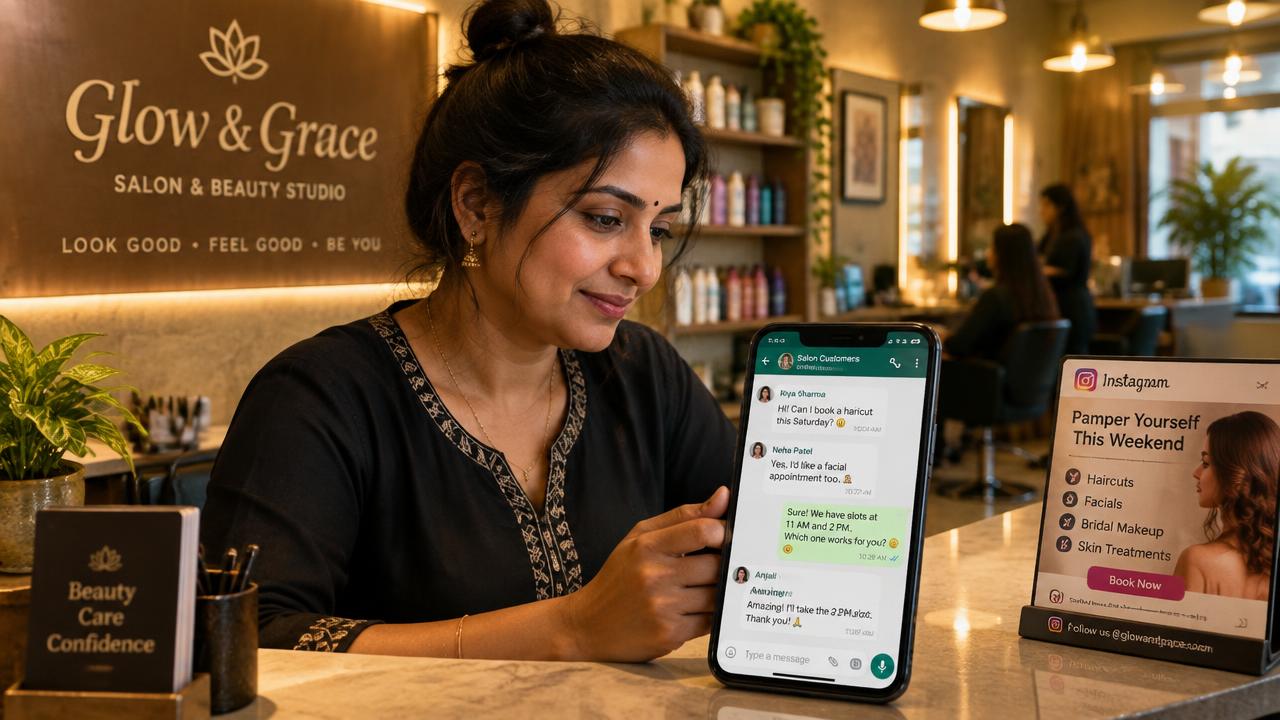
So, your Meta ads (Facebook and Instagram) are finally working. You are getting leads, messages on WhatsApp, and even sales. This is a great feeling for any business owner. The first question that comes to mind is, 'How do I get more of this?' This leads to the big question of when to scale facebook ad campaigns. Scaling sounds exciting, but if done wrong, it can quickly burn your money and ruin a good campaign. This guide is for Indian business owners who want to grow their ad results steadily and safely, without the guesswork.
The 'Right Time' to Scale: Look for These Green Signals
Before you even think about increasing your ad spend, you need to be sure your current campaign is stable. It's like checking the foundation of a building before adding more floors. Here’s what to look for:
- Consistent Results: Your campaign has been running for at least 4-7 days and is out of the 'Learning Phase'. You are getting a steady number of leads, purchases, or messages each day. Your cost per result (like cost per lead or cost per purchase) is stable and not jumping up and down wildly.
- Positive Return on Ad Spend (ROAS): For D2C and e-commerce businesses, this is crucial. You are making more money from the sales than you are spending on the ads. For lead generation businesses (like real estate, clinics, or coaching), you are seeing that the leads are of good quality and are turning into actual customers.
- You Can Handle More Business: This is a practical check. If your ads bring in 50 new leads tomorrow, does your sales team have the capacity to call them? If you sell products, do you have enough stock and can your delivery partner handle the extra volume? Scaling is not just about ads; your operations must be ready too.
Scaling Method 1: Vertical Scaling (Increasing the Budget)
This is the simplest way to scale. You take a winning campaign or ad set that is already giving you good results and you give it more money to spend. But there is a right way and a wrong way to do this.
The Wrong Way: Suddenly doubling or tripling the budget overnight. This shocks the Meta algorithm and can push your campaign back into the expensive 'Learning Phase', often making your results worse.
The Safe Way: Increase the budget slowly. A good rule of thumb is to increase the daily budget by no more than 20% every 2-3 days. Wait for 2-3 days, check if the results are still stable, and then increase it again. This slow and steady approach helps the algorithm find more customers for you without breaking your campaign's performance.
When to Scale Facebook Ad Campaigns with Horizontal Scaling
Horizontal scaling means finding more people to show your ads to. Instead of just giving more money to one ad set, you expand your reach by targeting new audiences or testing new ad creatives. This is perfect when your current audience is becoming small or you want to find new types of customers.
- New Audiences: If your ad for a D2C brand is working well with an audience interested in 'online shopping', you can test new ad sets targeting people interested in 'fashion accessories' or 'skincare'. A very powerful tool here is Lookalike Audiences. You can create an audience of people who are similar to your past customers or your best leads.
- New Ad Creatives: The same ad creative (image or video) will stop working after people have seen it too many times. You must constantly test new creatives. Try different videos for Reels ads, test different headlines for your lead ads, or use customer-posted photos as UGC ads. This keeps your advertising fresh and effective. This is important for all businesses, from restaurants showing food videos to coaching centres showing student testimonials.
- Retargeting Campaigns: Don't forget to scale your retargeting. These are ads shown to people who have already visited your website or engaged with your Instagram page. As you get more traffic from your main campaigns, your retargeting audience grows, and you should adjust your budget for these high-performing campaigns too.
Technical Must-Haves for Scaling: Pixel, CAPI, and Advantage+
You cannot scale what you cannot measure. For any serious scaling efforts, especially for e-commerce, your technical setup must be perfect. Without it, you are flying blind.
- Meta Pixel and Conversions API (CAPI): The Pixel is a piece of code on your website that tracks user actions. CAPI is a more reliable tool that sends data directly from your server to Meta. Having both set up correctly gives Meta the maximum possible data about who is converting. This allows its algorithm to find more people like your best customers, which is the key to successful scaling.
- Advantage+ Shopping Campaigns: For D2C and e-commerce businesses, Advantage+ is a powerful tool. You give Meta your best creatives and a budget, and its AI-powered system automatically finds the best audiences and placements to get you the most sales. It's designed for scaling and can be very effective if your tracking (Pixel and CAPI) is set up right. Managing these technical aspects is a core part of our Meta Ads service.
Common Mistakes to Avoid When You Scale Facebook Ad Campaigns
Many businesses get excited and make simple mistakes that cost them a lot of money. Here are some common pitfalls to watch out for:
- Scaling Too Fast: As we discussed, increasing the budget too quickly is the number one mistake. Be patient.
- Changing Too Many Things at Once: When you scale, only change one major thing at a time. Don't increase the budget AND change the audience AND change the creative all in the same ad set. If performance drops, you won't know what caused the problem.
- Not Refreshing Creatives: Believing that one winning ad video will work forever is a mistake. Ad fatigue is real. A good social media management strategy includes a plan for regularly creating and testing new ad content.
- Ignoring the Data: After scaling, you must watch your key metrics like a hawk. Is your cost per lead going up? Is your ROAS dropping? If you see negative signs for 2-3 days in a row, it's okay to reduce the budget back to the previous level and analyse what went wrong.
Scaling Meta ad campaigns is a process of careful testing and observation. By following these safe steps, you can grow your business steadily without taking unnecessary risks.
FAQs: When to scale facebook ad campaigns
How much should I increase my ad budget when scaling?
A safe guideline is to increase the budget of a winning ad set by about 20% every 2-3 days. This prevents the algorithm from re-entering the learning phase and helps maintain stable performance.
What if my ad performance drops after I scale?
If your Cost Per Result increases significantly or your ROAS drops after scaling, the first step is to reduce the budget back to its previous stable level. Then, wait a couple of days to see if performance recovers. If it does, you may have scaled too aggressively. If not, analyse other factors like ad creative fatigue or audience saturation.
How can an agency help with scaling my ad campaigns?
An experienced agency, like our team in Delhi NCR, can manage the entire scaling process for you. This includes detailed data analysis to identify the right time to scale, setting up crucial tools like the Pixel and Conversions API, creating and testing new audiences and ad creatives, and making methodical budget adjustments. The cost for this service depends on the scope of work. We can discuss your goals and create a free plan for you.
People also search for
- how do i know when to increase my facebook ad budget
- how often should i increase the budget on a winning campaign
- why does roas drop when i scale facebook ads
- should i duplicate a winning ad set or increase its budget
- when should i stop scaling a meta ad campaign
Related topics